Understanding Heart Attacks in Older People
How Live in Care Can Support Recovery, Confidence and Living Well at Home
A heart attack is a life changing event, particularly for older people and those who support them. While many people recover well, the period following a heart attack can bring uncertainty, anxiety and practical challenges.
Understanding what a heart attack is, how recovery works and what support is available can make a significant difference to confidence, safety and long term wellbeing.
As a specialist live in care provider, we support older people and families following a heart attack by delivering personalised, outcomes focused support at home. Live in care can play a valuable role in supporting recovery, maintaining routines and helping individuals regain independence in familiar surroundings.
This guide explains heart attacks in later life, what recovery may involve and how live in care can support older people to live safely and confidently at home after a cardiac event.



Speak to one of our experts
Our friendly experts are here to help from 9am to 7pm, 7 days a week.
What Is a Heart Attack?
A heart attack, also known as a myocardial infarction, occurs when the blood supply to part of the heart muscle is suddenly reduced or blocked. This is usually caused by a build up of fatty deposits in the coronary arteries.
In older people, heart attacks can sometimes present differently to the classic symptoms often described. Recovery can also take longer and may be influenced by other long term conditions, mobility levels or frailty.
Alongside medical treatment and follow up from healthcare professionals, live in care offers consistent, practical support at home, enabling people to follow recovery plans, rebuild independence and feel supported day to day.
Recognising Symptoms in Older People
Symptoms of a heart attack can vary. Some older people experience clear warning signs, while others may have more subtle symptoms.
Common symptoms may include:
- Chest discomfort or pain
- Shortness of breath
- Pain spreading to the arm, jaw or back
- Nausea or vomiting
- Dizziness or unusual fatigue
In older adults, symptoms can sometimes be less obvious, such as sudden weakness, confusion or breathlessness without chest pain. Any concerns should always be treated seriously and medical advice sought promptly.
Recovery After a Heart Attack
Recovery following a heart attack is individual. Some people regain confidence quickly, while others need more time and reassurance.
Recovery may involve:
- Gradually increasing activity levels
- Adjusting daily routines
- Taking prescribed medication consistently
- Attending cardiac rehabilitation
- Managing fatigue and emotional wellbeing
Many older people benefit from structured support at home during this period, particularly if they live alone or feel anxious about managing independently.
How Live In Care Supports Recovery at Home
Reassurance and Continuity
After a heart attack, reassurance can be just as important as physical support. A live in carer provides a consistent, calm presence, helping individuals feel safe and supported as they adjust to life after a cardiac event.
Supporting Daily Routines
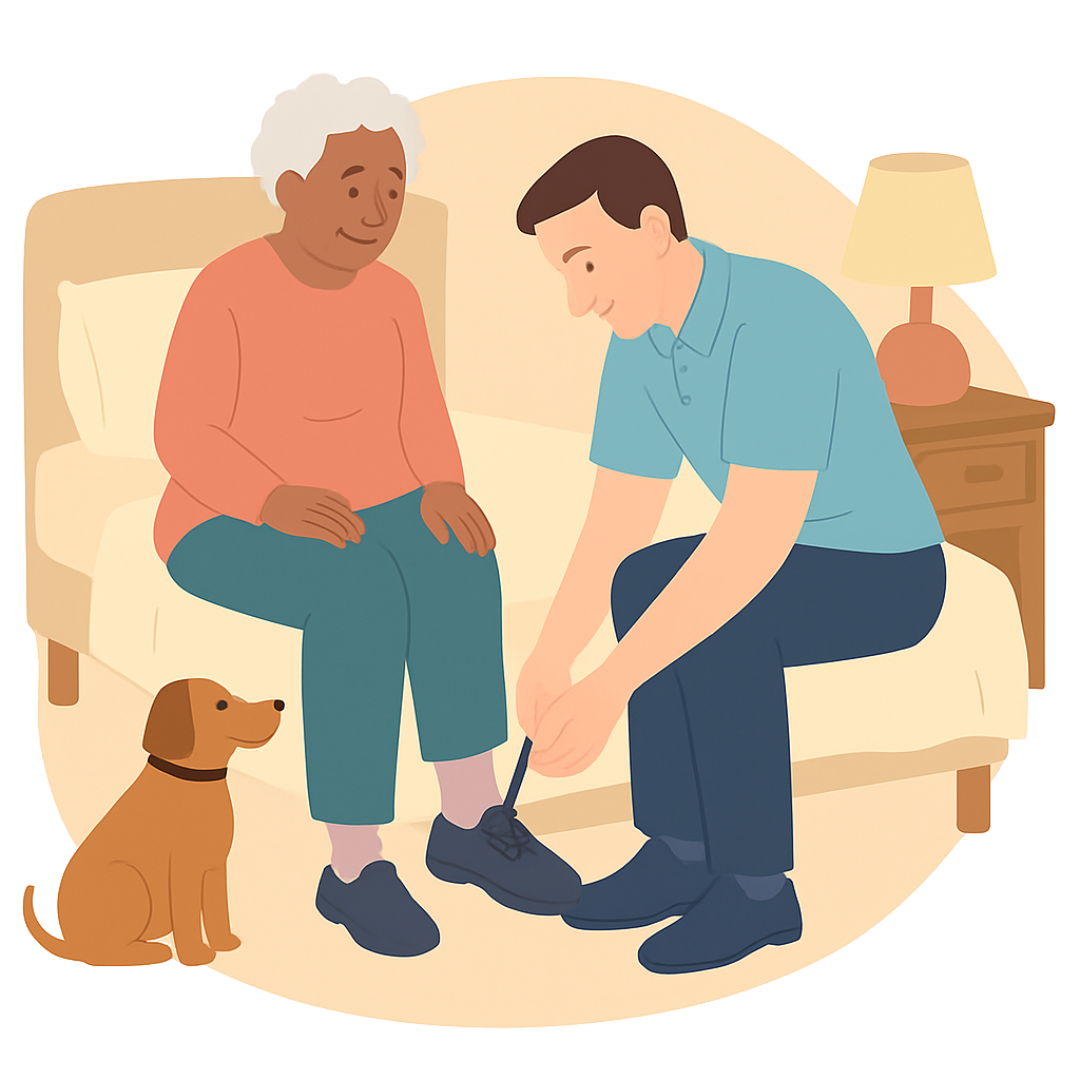
Live in care plays an important role in helping older people re-establish everyday routines following a heart attack, particularly after a hospital stay where normal patterns may have been disrupted. Having consistent support at home can make the transition feel calmer and more manageable.
Support is tailored to the individual and may include:
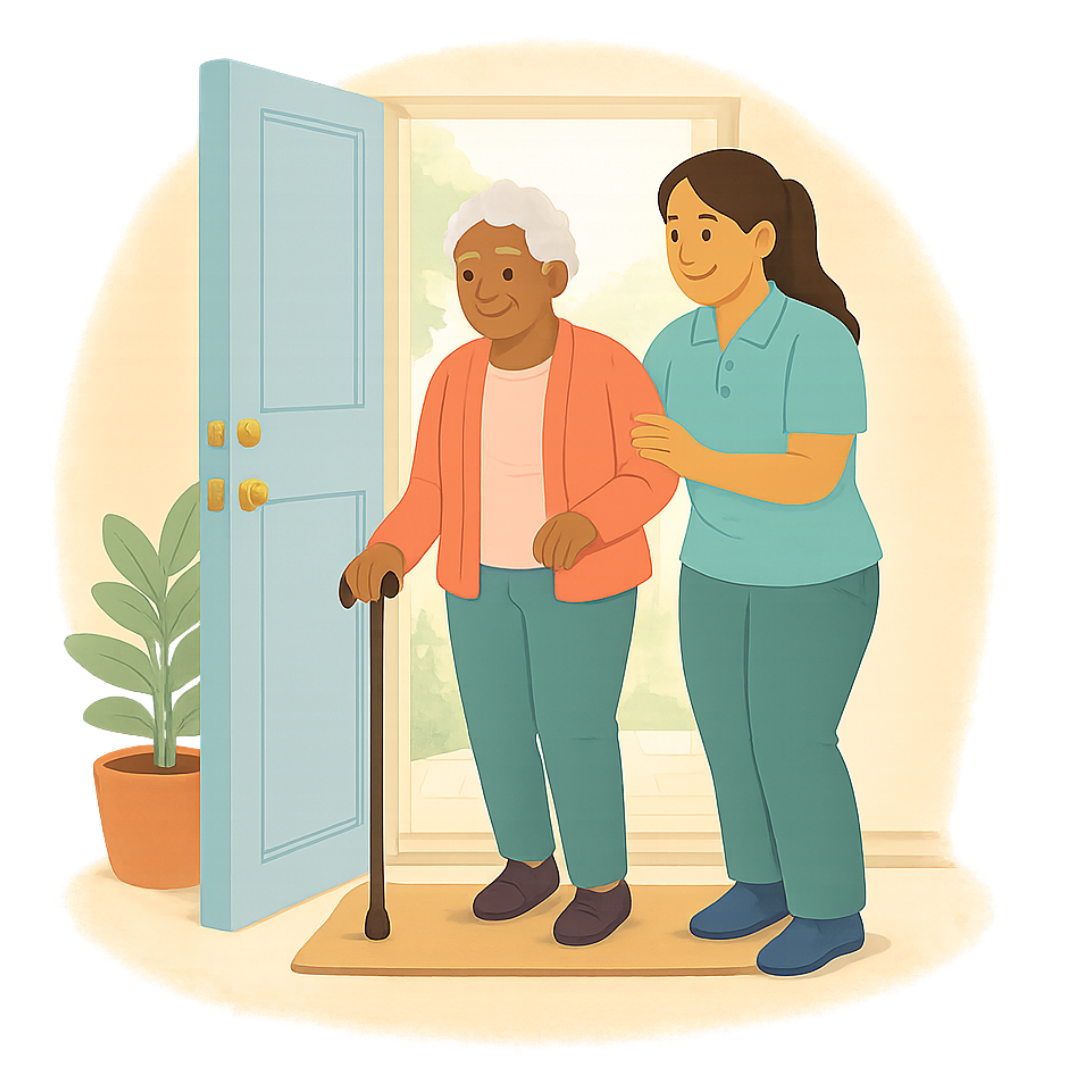
- Getting up and moving safely, with encouragement to mobilise at a pace that feels comfortable and in line with professional guidance
- Meal preparation and hydration, supporting regular, nutritious meals and drinks that fit with recovery needs and personal preferences
- Rest and pacing activities, helping individuals balance activity with rest to avoid fatigue while gradually rebuilding stamina
- Establishing consistent daily structure, such as regular wake up times, meals and gentle activity, which can provide reassurance and a sense of normality
By supporting these routines day to day, live in care helps reduce anxiety, rebuild confidence and support a steady return to independence, allowing recovery to progress at a pace that feels right for the individual.
Medication Support and Monitoring
Medication is often a key part of recovery after a heart attack. Live in carers provide day to day support that helps individuals remain consistent with prescribed treatments.
Support may include:
- Prompting or assisting with medication at agreed times
- Noticing changes in wellbeing or side effects
- Helping ensure any concerns are shared promptly with a GP or pharmacist
This supportive approach helps reduce the risk of missed doses and provides reassurance to families.
Supporting Cardiac Rehabilitation and Activity
Cardiac rehabilitation is an important part of recovery for many people following a heart attack. Live in care can help older people engage with rehabilitation plans in a safe, supportive way.
This may include:
- Supporting attendance at appointments or classes
- Encouraging gentle, graded activity at home
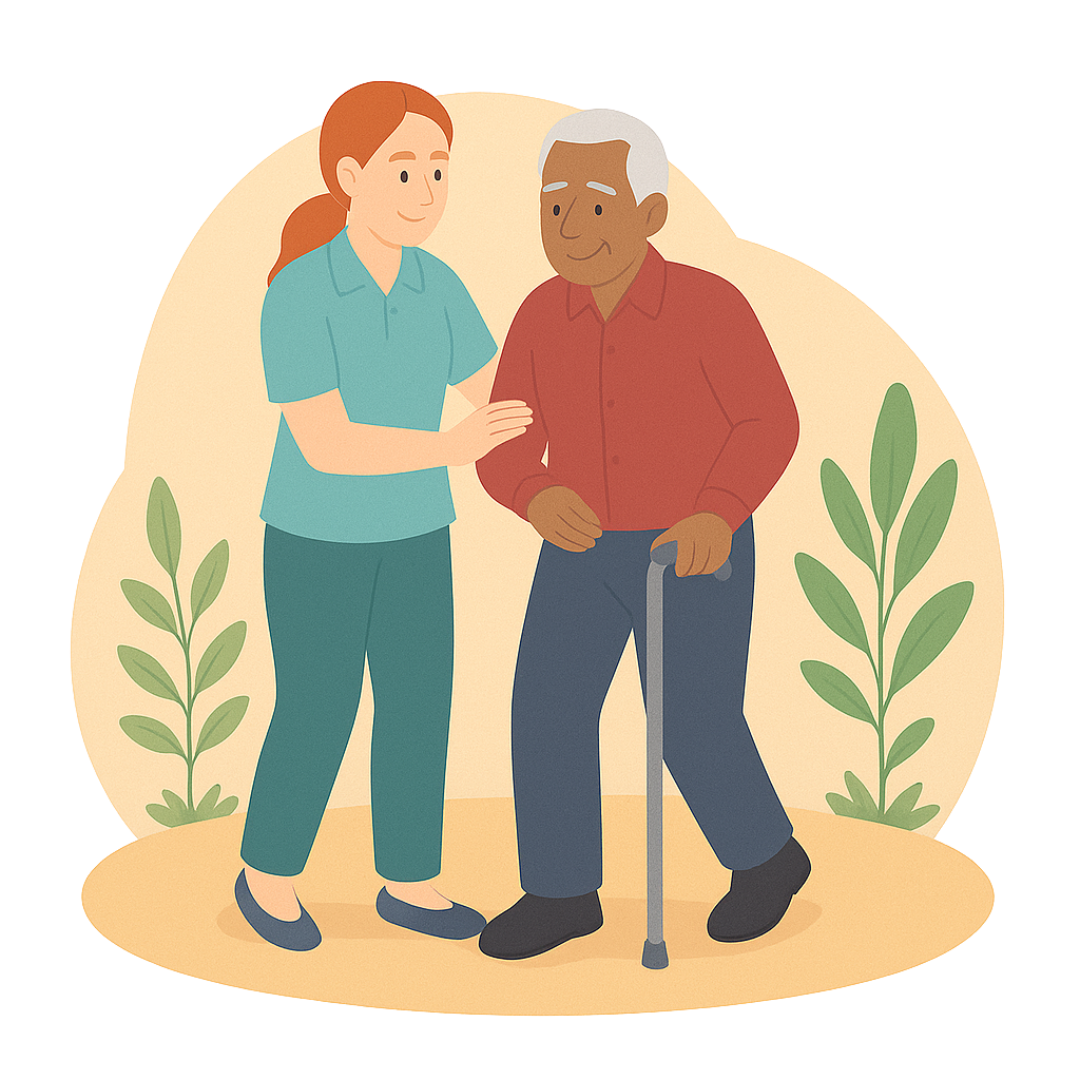
- Supporting walking routines or light exercise
- Helping individuals pace themselves and avoid overexertion
All activity is guided by healthcare professionals advice and individual ability.
Emotional Wellbeing After a Heart Attack
It is common for older people to experience anxiety, low mood or fear following a heart attack. Worries about recurrence or physical limits can affect confidence and independence.
Live in care supports emotional wellbeing by:
- Providing reassurance and companionship
- Encouraging social connection and meaningful activity
- Supporting hobbies, outings and routines
- Helping individuals rebuild confidence at their own pace
Emotional recovery is a key part of living well after a heart attack.
Managing Risk While Supporting Independence
Supporting recovery involves balancing safety with independence. Live in care takes a risk enablement approach that respects individual choice.
This includes:
- Identifying potential risks related to fatigue or mobility
- Supporting proportionate safety strategies
- Encouraging informed decision making
- Adapting support as recovery progresses
This approach recognises that independence and quality of life remain central goals.
Working Alongside Health and Care Professionals
Effective recovery following a heart attack relies on collaborative working. As a specialist live in care provider, we work alongside GPs, cardiac nurses, rehabilitation teams and wider multidisciplinary professionals as required.
Organisations such as the NHS provide clinical oversight, while charities including the British Heart Foundation and Age UK offer trusted information and support for older people and families.
Live in care works alongside these services by providing consistent, person centred support at home, helping individuals follow agreed plans and regain confidence.
Is Live In Care Suitable After a Heart Attack?
Live in care can be particularly beneficial following a heart attack where:
- Someone lives alone
- Confidence has been affected
- Recovery feels overwhelming
- Additional reassurance is needed
- There are other long-term conditions
For families and individuals, live in care provides reassurance that support is in place while recovery progresses.
Living Well After a Heart Attack
Many older people go on to live full, active lives after a heart attack. With the right support, recovery can be a positive turning point that encourages healthier routines and renewed confidence.
Live in care supports:
- Sustainable lifestyle changes
- Independence at home
- Emotional wellbeing
- Ongoing stability and reassurance
Speak to Us About Live In Care
If you would like to find out more about live in care following a heart attack, our team is happy to help. We offer clear, personalised guidance and can talk through how live in care may support recovery and independent living at home.
You can contact us on 0345 1258 974 to speak with an experienced member of our team.